Adults with SMI who also experience homelessness (around 25%) are at increased risk of poor mental health and treatment outcomes compared to those who are stably housed. Housing instability and homelessness also lead to more severe psychiatric symptoms, poorer physical health, and an increased risk of criminal legal system involvement.
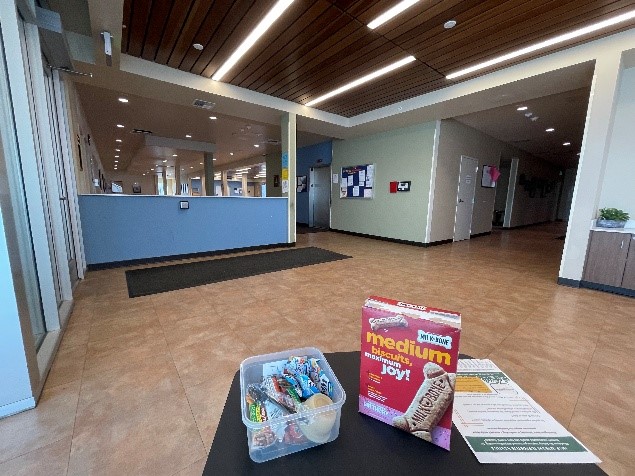
Supportive housing models attempt to address gaps in service provision for people with SMI, and provide stable, independent housing in the community. Much of the research on supportive housing shows positive health outcomes and improved quality of life for people with SMI. However, overall retention in supportive housing is lower than expected, and housing stability and residential tenure are associate with a variety of factors, including neighborhood distress, housing staff support, and sense of community. Further research is needed on how these programs can be improved to better support their residents.
Related Projects
Evaluation of the Volunteers for America’s Whole-Person Health Home: Certified Community Behavioral Health Clinic
Funder: Substance Abuse and Mental Health Administration (SAMHSA)
Principal Investigator/Project Lead: Dr. Liat Kriegel
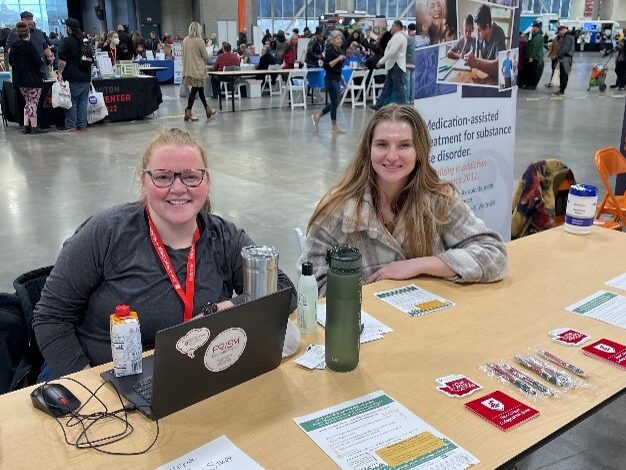
Four-year evaluation of the Whole-Person Health Home, a SAMHSA-funded Certified Community Behavioral Health Clinic (CCBHC), which provides integrated behavioral health care to youth, adults, and veterans who are experiencing homelessness, at high-risk of becoming homeless, or otherwise meet the federal definition of chronically homeless in Spokane County, Washington. Our evaluation is community-engaged and community-informed, incorporating multiple data collection methods, including participant led photovoice projects.
Evaluation Team:
Emily Leickly, PhD – Co-Evaluator
Julia Paxton, BA – Research Study Supervisor
Meagan Johnson, MS – Research Coordinator
Megan Puzia, MS – Biostatistician
Risk Environments of Permanent Supportive Housing for Formerly Incarcerated People with Serious Mental Illness
Funder: National Institute of Mental Health
Principal Investigator: Dr. Liat Kriegel
Collaborators: Dr. Michael McDonell, Dr. Benjamin Henwood, Dr. Chyrell Bellamy, Dr. Ofer Amram, Dr. Susan Collins, and Dr. Mark Salzer
A mixed methods study examining the risk environments of Permanent Supportive Housing as well as the utility of neighboring public spaces (e.g., libraries, parks, coffee shops, etc.) for people with serious mental illnesses who were recently incarcerated. The study uses multiple methods, including go-along interviews, participatory mapping, GIS as well as CBPR-informed co-design methods for the purpose of intervention development.
Research Study Team:
Julia Paxton, BA – Research Study Supervisor
Meagan Johnson, MS – Research Coordinator
Lisa Lackey, BA – Research Coordinator